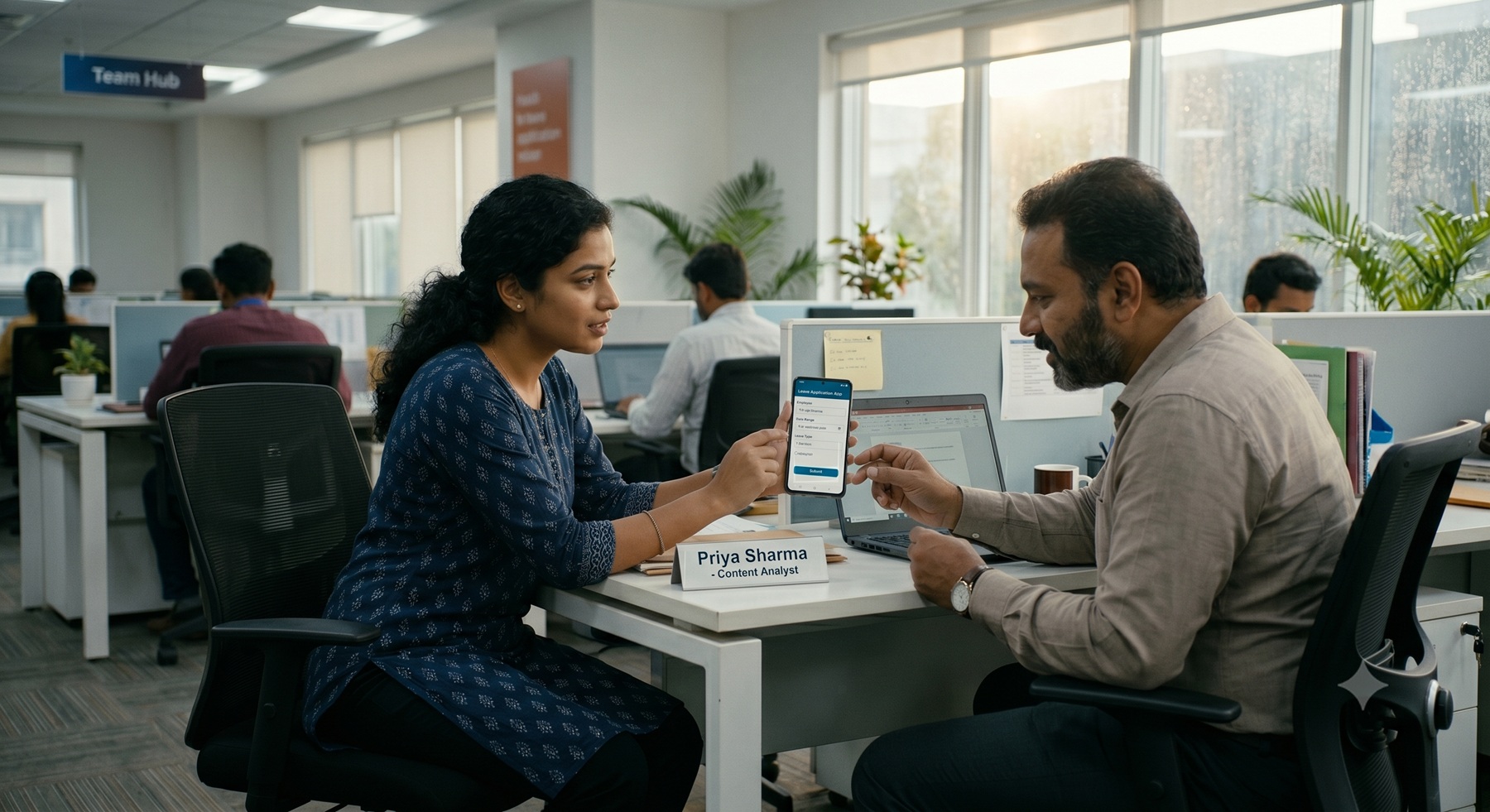
We've all been there — something urgent comes up at home, a personal errand that just can't wait, or a family matter that needs your immediate attention. But how do you ask your manager for time off without sounding unprofessional or vague? That's exactly where a well-written leave application makes all the difference.
Whether you're stepping out for a few hours or taking a full day off for personal reasons, knowing how to write the right leave application can actually reflect your professionalism — not undermine it. In this guide, we'll walk you through everything you need to know about applying for personal leave at work, with practical tips, ready-to-use examples, and answers to the most common questions.
What Is a Leave Application and Why Does It Matter?
A leave application is a formal written request submitted to your employer or HR department when you need time away from work. It's not just a formality — it's a professional communication that shows you respect workplace policies and your team's time.
In most organizations today, leave management is handled through dedicated systems — either manual HR processes or a digital leave management system integrated into the company's HRMS (Human Resource Management System). A proper leave application ensures your absence is tracked correctly, your pay isn't affected, and your workload is covered.
Skipping this step — or writing a vague, last-minute request — can create unnecessary confusion, affect your attendance record, and even strain your relationship with your manager.
Types of Personal Leave You Might Apply For
Before you write your application, it helps to know what category your leave falls under. Most organizations recognize:
- Casual leave – for unplanned personal tasks or emergencies
- Short leave – a few hours off within the workday (also called a half-day or short leave application)
- Earned/privilege leave – planned personal time using accumulated leave days
- Medical leave – health-related absences
For personal work, you'll typically be applying for casual leave or a short leave application depending on how long you need.
How to Write a Professional Leave Application for Personal Work
Keep It Simple and Honest
You don't need to over-explain your personal reasons. HR managers and supervisors receive dozens of leave requests — clarity and brevity are appreciated. Be honest, keep the tone respectful, and avoid dramatic language.
Include These Key Elements
A well-structured leave application should always include:
- Your name and designation
- Date of writing the application
- The date(s) you're requesting leave
- A brief reason (you don't need to over-share)
- Mention of work handover or coverage plan (if applicable)
- A polite closing
Sample Leave Application for Personal Work
Here's a simple, professional template you can customize:
To, [Manager's Name] [Designation] [Company Name]
Subject: Leave Application for Personal Work
Dear [Manager's Name],
I am writing to request a one-day leave on [Date] due to some urgent personal work that requires my attention. I will ensure that all pending tasks are completed before my leave, and I have coordinated with [Colleague's Name] to handle any urgent matters in my absence.
I would be grateful if you could approve my leave request at the earliest. Please let me know if any further information is required.
Thanking you, [Your Name] [Employee ID] [Department]
That's it. Simple, professional, and effective.
Short Leave Application: When You Only Need a Few Hours
Not every personal errand calls for a full day off. Maybe you need to visit a bank, attend a school meeting, or deal with a quick medical appointment. In these cases, a short leave application is the right approach.
Most companies with a modern leave management in HRMS allow employees to apply for half-day or short leave directly from the employee self-service portal. This makes the process faster and keeps records accurate.
Quick tips for short leave applications:
- Mention the exact hours you'll be away
- Give as much notice as possible (even a few hours ahead helps)
- Offer to make up the time if your workplace culture allows it
- Use the online leave management system if your company has one — it speeds up approvals and auto-updates attendance
Using an Online Leave Management System
If your organization uses an online leave management system, applying for personal leave becomes incredibly straightforward. Instead of writing a formal letter or email, you simply log in, select your leave type, enter the dates, add a short note, and submit.
These platforms — often built into broader leave management in HRMS software like Zoho People, Keka, or Darwinbox — offer several advantages:
- Instant notifications to your reporting manager
- Auto-calculation of remaining leave balance
- Leave history tracking for employees and HR
- Faster approvals with digital workflows
- Reduced paperwork and email chains
For employees, this means no more wondering whether your email was seen. For HR teams, it means better leave management across the organization without manual errors.
Common Mistakes to Avoid in a Leave Application
Even a simple leave application can go wrong. Here's what to avoid:
- Giving too much personal detail – Keep it brief. "Personal reasons" is acceptable.
- Applying at the last minute without any heads-up – Try to inform your manager verbally first if it's urgent.
- Not mentioning work coverage – Always show that you've thought about the impact on your team.
- Using casual or unprofessional language – Even if your company culture is relaxed, keep the written request formal.
- Forgetting to apply through the system – If your company uses an online leave management system, make sure you log it there too, even if you've already messaged your manager.
Practical Tips for Getting Your Leave Approved Faster
- Apply well in advance for planned personal work
- Submit through your company's leave management system to ensure it's logged officially
- Keep your leave record clean — frequent unexplained absences can hurt approvals
- Choose a timing that has minimal impact on your team (avoid peak project deadlines)
- Build trust with your manager through consistent communication
Conclusion
Writing a professional leave application for personal work doesn't have to be complicated. All it takes is a clear subject, a brief and honest reason, and a thoughtful mention of how you've handled your responsibilities.
As organizations shift toward smarter leave management processes — from paper-based approvals to fully integrated online leave management systems and leave management in HRMS platforms — applying for leave is getting easier and faster. But the fundamentals remain the same: be professional, be prompt, and be considerate of your team.
Whether you're submitting a full-day request or a quick short leave application for a couple of hours, the right tone and format will always leave a positive impression. So next time personal work comes calling, you'll know exactly what to write.
FAQs
1. What should I write as a reason in my leave application for personal work?
You can simply write "personal work" or "urgent personal reasons." You're not obligated to share specific details. Most HR teams and managers accept this as a valid reason.
2. How far should I submit a leave application in advance?
For planned personal work, try to submit at least 2–3 days in advance. For urgent situations, inform your manager as early as possible on the same day.
3. What is a short leave application?
A short leave application is a formal request for a partial workday absence — typically a few hours. It's used when you don't need a full day off but have a personal commitment that takes you away from the office briefly.
4. Can I apply for leave through WhatsApp or a text message?
In urgent cases, yes — a quick message to your manager is acceptable. But always follow it up with a formal leave application, especially through your company's leave management system, to ensure it's officially recorded.
5. What happens if I don't submit a leave application?
Unrecorded absences can be marked as "loss of pay" or even as unauthorized absence in some companies. It can also affect your attendance record and future leave approvals. Always apply formally — even for a short leave.
6. Does every company have an online leave management system?
Not all, but most mid-to-large companies now use some form of digital leave management in HRMS software. If yours does, always use it — it makes the entire process faster, transparent, and easier to track.